
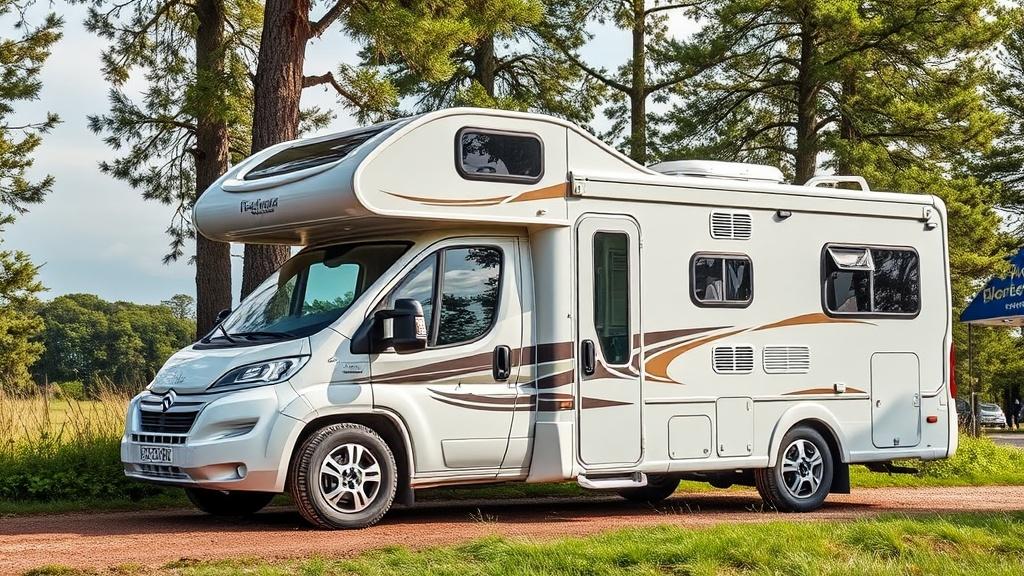
The Motorhome Life: A Thorough, Practical Guide to Choosing, Living In, and Caring for Your Road-Borne Home

Imagine a vehicle that carries your bed, kitchen, bathroom, and a rolling map of possibility. That’s the simple magic of a motorhome: a self-contained vehicle built to move both people and the comforts of a small house. This guide is a long, practical conversation about what motorhomes are, how they work, how to choose one, and how to live well in one—whether you plan weekend escapes, seasonal travel, or full-time life on the road. I’ll walk you through the technical details, the lifestyle realities, the wallet math, and the little practices that make motorhome life not just possible, but enjoyable.
What Is a Motorhome? The Basic Idea and the Big Picture
At its core, a motorhome is a vehicle designed for habitation. Unlike a tow-behind camper or a rooftop tent, a motorhome integrates driving and living spaces into one package. That integration creates convenience—no separate tow car to hitch—but also a set of trade-offs: larger size, different maintenance needs, and distinct driving dynamics.
Motorhomes come in many shapes and philosophies. Some prioritize compact efficiency, folding cleverly to fit in city streets. Others are broad, luxurious coaches built for cross-country comfort. Each type addresses a different set of priorities—maneuverability, liveability, budget, or off-grid capability.
Types of Motorhomes: Class A, B, C and Beyond
Understanding the main categories helps narrow your search quickly. These broad classes are commonly used in North America and many other markets; the terms might vary locally, but the distinctions remain useful.
| Class | Typical Size | Main Advantages | Typical Use |
|---|---|---|---|
| Class A | 26–45+ feet | Luxury, space, integrated living systems | Long-term travel, full-time living, family comfort |
| Class B (Campervan) | 16–24 feet | Easy to drive, fuel-efficient, urban-friendly | Weekend escapes, couples, urban travel |
| Class C | 20–33 feet | Good balance of space and drivability, overhead bunk | Families, mixed-purpose travel |
| Other/Custom | Varies (overlanders, expedition trucks) | Heavy-duty off-grid, custom layouts | Off-pavement adventure, remote travel |
Beyond these three, you’ll find expedition trucks and converted commercial vans designed for serious overlanding; these prioritize ruggedness and autonomy over comforts like a full-size refrigerator or a large freshwater tank.
Why People Choose Motorhomes: Uses and Lifestyles
People get into motorhomes for many reasons. Some want freedom from hotel bookings; others seek the simplicity of one familiar space wherever they go. A few families want to introduce their children to travel and outdoors in a controlled way. Full-timers prioritize mobility and minimalism, learning to live with less while gaining flexibility. Enthusiasts of remote places opt for rigs capable of long boondocking runs. Understanding your purpose clarifies what features matter.
- Weekenders: Prioritize quick setup, ease of driving, and low friction.
- Seasonal travelers: Want comfortable beds, reliable heating or AC, and decent storage.
- Full-timers: Need durable systems, efficient utilities, and community resources.
- Overlanders/adventure seekers: Require heavy-duty suspensions, large water and fuel capacity, and off-road capability.
Choosing the Right Motorhome: Questions to Ask Yourself
Start with a short, honest list. These choices decide most of the rest.
- How many people will regularly sleep in the rig?
- Will you live in it full-time or use it for vacations and weekends?
- What roads will you travel—city streets, highways, gravel tracks?
- Do you want to boondock (camp without hookups) often?
- What is your budget for purchase and ongoing costs?
- Do you want a new vehicle with warranty or a used one to save money?
Answering these narrows choices dramatically. For example, a couple that loves national parks and primitive sites often prefers a van-based Class B with extra solar and battery capacity. A family of four who wants ample living space might lean toward a Class C with slide-outs.
Layout and Key Features: What Matters Inside
Inside, layouts vary like small apartments. Pay attention to these features because moving furniture later is expensive and difficult.
- Sleeping arrangements: Fixed bed vs convertible sofa/bed; overhead bunks in Class C; dinette-to-bed systems.
- Bathroom type: Wet bath (toilet and shower in one small room) vs dry bath (separate toilet and shower) vs cassette/cassette toilet options.
- Kitchen: Full oven vs microwave, four-burner vs two-burner, fridge size, counter space.
- Storage: Under-bed storage, exterior bays, overhead cabinets—check both volume and access.
- Slide-outs: Increase living space dramatically but add mechanical complexity and potential leak points.
Try to visualize your daily routines: making coffee, bringing groceries in, showering after a long day. If those tasks feel cramped on a walkthrough, they’ll feel worse on trip day five.
Buying a Motorhome: New Versus Used and How to Inspect a Rig
Buying new gives you warranty coverage and the latest systems, but it costs more and depreciates faster. Buying used is economical if you’re willing to do research and inspections. Many buyers start with a used, reasonably sized rig to learn the lifestyle before upgrading.
Pre-Purchase Checklist: What to Inspect
Whether new or used, a systematic inspection prevents expensive surprises. If you don’t feel confident, hire a professional RV inspector. Here’s a practical list to guide you.
- Exterior: Check roof seals, seams, around vents, slide-out seals, and the condition of windows and awnings. Look for soft spots or previous repair areas.
- Undercarriage: Rust, suspension issues, fluid leaks. Look for oil, coolant, or fuel odors.
- Tires: Age and wear—not just tread depth but date code. Tires older than 6–8 years often require replacement regardless of tread.
- Engine and drivetrain: Service records, belts, hoses, coolant condition, test drive for engine smoothness and transmission behavior.
- Appliances and systems: Fridge operation on both shore power and propane, water heater, furnace, AC, generator run-time and load test.
- Plumbing: Check for leaks, soft flooring in wet areas, water pump operation, grey and black tank valves.
- Electrical: Test outlets on shore power and on inverter, battery condition, operation of DC systems, check breaker panels.
- Smoke/CO detectors: Functionality and date codes. Propane detectors too—verify sensitivity and replace when needed.
Ask for a vehicle history report for motorized rigs and a complete service history. Check the VIN and appliance serial numbers for recalls. If buying in the U.S., look for RVIA (Recreation Vehicle Industry Association) certification on conversions; in other countries check equivalent safety certifications.
Understanding Motorhome Systems: The Technical Heart
Modern motorhomes are a collection of mechanical, electrical, and plumbing systems. Learning how they interact makes troubleshooting far less terrifying.
Electrical Systems: 12V, AC, Batteries, and Solar
Electrical is where many owners spend money upgrading. There are several layers to consider:
- 12-volt DC: Powers lights, water pumps, fans, and many appliances via a house battery bank.
- Shore power (AC): Typically standard shore power is 120V in North America (with 30A or 50A shore power options) and 230V in many other countries; it powers larger appliances and charges house batteries through a converter/charger.
- Inverter: Converts DC battery power to AC to run household devices when not connected to shore power.
- Generator: On-board generators provide AC power off-grid but consume fuel and require maintenance and noise considerations.
- Solar panels and charge controllers: Produce renewable DC power to keep batteries charged, especially useful for boondocking.
Understanding how these pieces fit helps when sizing upgrades. More panels, a larger inverter, and a robust battery bank mean more independence, but they also add cost and weight.
| Component | Function | Typical Upgrade Options |
|---|---|---|
| Battery Bank | Store energy for DC loads and inverter | Replace lead-acid with LiFePO4, increase capacity |
| Solar Panels | Convert sunlight to DC power | Add panels, switch to monocrystalline, install MPPT controller |
| Inverter | Run AC loads from DC batteries | Pure sine wave inverter, increase wattage |
| Generator | Provide AC without shore power | Quiet diesel genset, inverter-based gensets |
Batteries: Types and Trade-offs
Batteries are a frequent upgrade target. Here’s a practical comparison of common types used in motorhomes.
| Battery Type | Pros | Cons | Typical Lifespan |
|---|---|---|---|
| Flooded Lead-Acid | Low cost, proven technology | Maintenance (watering), heavy, limited cycle life | 3–5 years with good care |
| AGM (Absorbent Glass Mat) | Sealed, maintenance-free, better performance than flooded | Heavier than lithium, limited cycle life | 4–6 years |
| LiFePO4 (Lithium Iron Phosphate) | High usable capacity, light, long cycle life | Higher upfront cost, requires compatible charger and BMS | 8–15 years |
LiFePO4 batteries are becoming the go-to for boondockers because they deliver more usable amp-hours per kilogram and a longer lifespan. But don’t forget the charging system: converters and solar charge controllers must be compatible or upgraded to take full advantage of lithium chemistry.
Water Systems: Fresh, Grey, and Black
Water management is simple in principle but full of practical details. Most motorhomes have a fresh water tank, a grey water tank for sink and shower runoff, and a black water tank for the toilet.
- Freshwater capacity: Often 20–100+ gallons depending on rig size. Larger tanks support longer boondocking runs but add weight.
- Grey and black water: Emptying frequency depends on usage; many RV parks provide dump stations. Some rigs use cassette toilets that allow easier emptying at sinks or dedicated cassette dump points.
- Water heaters: Often tank-based using propane or electric, or instantaneous (tankless) systems on some rigs.
- Pumps and filtration: Electric water pumps supply cabin pressure; many owners add inline filters or RV-specific filtration because campground water quality varies.
Maintaining seals, checking hoses annually, and monitoring tank sensors keeps surprises—like leaks or stuck valves—to a minimum. For full-timers, having a reliable filter and awareness of water sources is essential.
Propane and Heating/Cooling
Propane typically powers stoves, ovens, water heaters, and furnaces. Propane systems require regular leak checks and functioning detectors. Heating in smaller rigs might rely mainly on propane furnaces, while larger rigs often include diesel or propane furnaces and possibly hydronic heating systems. Air conditioning is a large draw on power and often runs on shore power or generator; efficient use requires good insulation and planning.
Maintenance: Keep It Simple and Regular
Motorhomes combine automotive maintenance with home maintenance. Planning makes both tasks manageable. Create a maintenance calendar and keep records.
- Engine and chassis: Follow manufacturer service intervals for oil, filter, belts, and transmission service. Check brake pads, wheel bearings, and suspension regularly.
- Roof and seals: Inspect seals twice a year and after severe weather. Re-seal seams and vents with recommended RV sealants as needed.
- Slide-outs and awnings: Clean tracks, lubricate moving parts, and check seals. Retract awnings in high winds or heavy storms.
- Tires: Monitor tire pressure and temperature, replace by age as well as wear, and rotate if the chassis manufacturer suggests.
- Generator: Run regularly (monthly) under load to keep parts lubricated and to detect issues early. Follow oil and filter schedules.
Document every visit, part replaced, and calibration done. A digital folder with receipts and photos speeds resale and troubleshooting.
Seasonal Care: Winterizing and Summer Prep
Winterizing prevents frozen plumbing. Common steps include draining water tanks, bypassing water heater, and adding non-toxic RV antifreeze through the system. For milder climates, winter prep means protecting seals and preventing condensation by running ventilation and using moisture absorbers.
Summer prep includes checking air conditioning systems, servicing awnings, and inspecting the roof for sun-related degradation. In both seasons, manage battery health: keep lithium batteries at moderate state-of-charge during long storage, and store lead-acid batteries fully charged.
Driving, Safety, and Legal Considerations
Driving a motorhome is different from driving a car. You must respect size, weight, and handling differences. Practice in low-traffic areas before taking long drives.
Driving Tips
- Know your dimensions: height, width, and length. Watch for low bridges and narrow lanes.
- Plan routes: Avoid roads with low-clearance, weight limits, or tight turns if possible.
- Use extended mirrors and possibly a camera system for better visibility.
- Mind braking distances: Extra mass needs more stopping room. Use engine braking on descents.
- Park with care: Leveling is easier with small adjustments; use chocks and leveling blocks.
Safety Equipment
Prioritize these items for safety and peace of mind:
- Smoke detector, carbon monoxide detector, and LP gas detector—test them regularly.
- Fire extinguisher(s) rated for electrical/fuel fires.
- First-aid kit and roadside kit with flares, reflective triangles, and basic tools.
- Tire Pressure Monitoring System (TPMS) to avoid blowouts from overheating or underinflation.
- Backup camera and, if you tow, a brake controller and sway control system.
Licensing and Insurance
Driver licensing rules depend on region and vehicle weight. Many countries allow driving most motorhomes with a standard car license, but heavier rigs may require a special endorsement. Check local regulations before purchasing and again before crossing borders.
Insurance varies by use (occasional trips vs full-time living), value, and whether you tow. Look for policies that cover both vehicle and contents, roadside assistance, and liability. Add gap insurance for new rigs if you finance them—motorhomes can depreciate quickly, and past events show that repair costs can exceed vehicle values in certain cases.
Costs: Purchase, Operation, and Depreciation
Owning a motorhome is a lifestyle choice with ongoing costs. Below is a sample breakdown of typical annual expenses for moderate use. Tailor numbers to your region and habits.
| Expense | Typical Annual Cost (USD, approximate) | Notes |
|---|---|---|
| Loan payment / Depreciation | $5,000–$20,000+ | Varies hugely by purchase price and financing. |
| Insurance | $800–$2,500 | Depends on value, usage, and driving record. |
| Maintenance & Repairs | $1,000–$4,000 | Includes engine work, appliances, paint, seals. |
| Fuel | $2,000–$10,000 | Large variance by miles driven and fuel prices. |
| Campground Fees | $500–$5,000 | Depends on nights in paid parks versus boondocking. |
| Storage | $0–$2,000 | Depends on whether you pay for off-season storage. |
| Upgrades (solar, batteries, electronics) | $1,000–$20,000+ | One-time costs that improve capability or comfort. |
Note: These figures are illustrative. The biggest variations arise from initial purchase price and driving habits. Full-timers tend to have higher ongoing costs for maintenance and campgrounds but may save on housing costs elsewhere, depending on circumstances.
Full-Time Living: Practical Realities
Living in a motorhome full-time requires adapting to limited space and managing logistics. Many full-timers become practiced at minimalism and systems thinking. Here are tangible aspects people address when making the leap.
Mail, Residency, and Banking
Maintaining a legal residence can be necessary for taxes, voting, and vehicle registration. Some full-timers use mail forwarding services or have a permanent address with family. There are services tailored to RVers that handle mail, vehicle registration, and voting documentation.
Work and Connectivity
Remote work is common among full-timers. Reliable internet is often achieved through a mix of home cellular plans, signal boosters, and sometimes satellite services. Equipment choices depend on desired speeds and coverage: a cellular router with external antennas and dual-SIM capability creates redundancy; a Starlink or similar satellite option is useful for true off-grid areas, bearing in mind evolving coverage and costs.
Storage, Hygiene, and Relationships
Space management becomes an art. Storage cubes, collapsible containers, and strict “one in, one out” rules keep clutter down. Hygiene and laundry routines typically combine campground facilities, laundromats, and portable washer solutions. Community matters: many full-timers find social life in campgrounds, volunteer communities, and online groups to be as meaningful as any neighborhood.
Camping Options: From Hookups to Solitude
Where you stay determines your experience and resource needs.
- RV Parks and Campgrounds: Provide hookups for water, electricity, and sewer; good for comfort and community.
- State and National Parks: Scenic and managed, often with reservation systems and sometimes size restrictions for large rigs.
- Boondocking (Dry Camping): Camping off-grid on public lands or private properties; requires self-sufficiency in power, water, and waste management.
- Private Land Stays: Platforms make it possible to stay on farms or private land cheaply, supporting local hosts and giving unique experiences.
Each option has tradeoffs: campgrounds supply convenience but cost more; boondocking is free or cheap but demands planning and self-reliance. Whatever you choose, pack a reliable power and water plan.
Upgrades and Modifications: Where to Spend Your Money
Some upgrades pay immediate dividends in comfort and capability. Prioritize upgrades that match your travel style.
- Solar and Battery Upgrades: High payoff for boondocking; increases independence and reduces generator runtime.
- Insulation and Window Covers: Improve comfort and reduce heating/cooling loads.
- Upgraded Suspension and Tires: Essential for those planning heavier loads or rough roads.
- Improved Kitchen Appliances: A better fridge or induction cooktop can vastly improve daily life in a small space.
- Connectivity: Cellular routers, boosters, and prioritization between carriers can make remote work feasible.
Keep modifications tasteful and professional where necessary. Structural changes, especially to plumbing and electrical systems, should follow codes and use certified technicians when required.
Conversions and DIY Builds: The Personal Touch
Converting a van or bus into a motorhome is hugely popular. DIY builds let you tailor layout and systems to your exact needs. They also require skills in construction, wiring, and plumbing or a budget to hire specialists for critical systems.
Common steps in a conversion include framing the interior, insulating (spray foam, rigid panels, or sheep’s wool are common choices), installing electrical and plumbing systems, and finishing with cabinetry and flooring. Use RV-safe materials and fastenings and plan for ventilation—cooking and body moisture must be managed to avoid mold.
Sustainability and the Future of Motorhomes
Environmental concerns are changing how manufacturers and owners think about motorhomes. Smaller rigs with efficient engines, better insulation, and hybrid or electric drivetrains are points of industry focus. Solar and battery systems reduce generator dependence, and conscientious consumption—shorter showers, careful water use—reduces environmental footprint.
Electric and hybrid motorhomes are emerging, though range and charging infrastructure remain limiting for long-distance touring. Some manufacturers offer plug-in hybrid or fully electric van conversions for local travel and weekenders, which reduce emissions and noise. Expect gradual improvement in battery energy density and charging networks over the next several years.
Community, Resources, and Where to Learn More
Motorhome owners are famously communal—sharing tips, pointing to service shops, and swapping routes. Tap into local clubs, online forums, and apps to learn from people who’ve already solved the problems you’ll meet.
- Online forums and groups: Search for specific model communities and regional RVer clubs.
- RV Shows and Meetups: Hands-on exposure to models, vendors, and builders.
- Mobile apps: For route planning, campground info, and off-grid spots—popular names include Campendium, iOverlander, and regional campground directories.
- Books and podcasts: Plenty of long-form resources cover both systems and lifestyle elements.
Practical Checklists: Pre-Trip, Packing, and Overnight
Checklists reduce anxiety and prevent forgettable mistakes. Here are three practical lists you can copy and adapt.
Pre-Trip Checklist
- Check tire pressure and inspect tread for damage.
- Test brakes and steering during a brief drive.
- Verify fresh water level and that valves are closed properly.
- Check propane level and test the LP detector.
- Secure all interior items and retract or lock awnings and slides.
- Ensure shore power cords or generator fuel are on board if needed.
- Check weather and confirm route clearances and reservations.
Packing Checklist (Essentials)
- Basic toolkit, jumper cables, and tire repair kit.
- First aid kit and any necessary prescriptions.
- Chargers for devices, spare batteries, and power adapters.
- Flashlights and headlamps, extra batteries.
- Outdoor gear appropriate to your destination (boots, rain gear).
Overnight Camp Checklist
- Level the rig and chock wheels if needed.
- Deploy stabilizers and slide-outs as appropriate.
- Set up camp-level safety: extinguish campfires as required, close vents in bad weather.
- Run fans or ventilation to reduce condensation while sleeping.
- Set alarms and propane/CO/smoke detectors to active.
Common Problems New Owners Face and How to Avoid Them
New motorhome owners often encounter a handful of recurring frustrations. Being aware of them early saves money and stress.
- Leaks from roof seams and windows: Inspect regularly and reseal before the season starts.
- Battery and electrical failings: Understand the charging system and monitor battery health. Consider a battery monitor app or display.
- Poor water quality or clogged filters: Maintain filters and keep hoses clean; flush tanks seasonally.
- Tire issues from age: Replace by age, not just by tread. UV and heat shorten tire life dramatically.
- Overloading: Calculate payload capacity and distribute weight sensibly. Remember equipment and water add weight fast.
Sample Itineraries and Routes for Different Rig Types
Routes suit rigs differently. Here are tailored suggestions to match capabilities.
For Compact Campervans and Class B
Coastal drives with frequent stops and town explorations. Think coastal national seashores or scenic highways where parking and maneuverability matter: smaller rigs shine in towns and can fit into many municipal lots and smaller campgrounds.
For Class C and Family-Friendly Rigs
State park loops, national forest circuits, and routes with larger campgrounds. These rigs balance size and comfort, suitable for family outings and mixed road conditions.
For Class A and Long-Term Travel
Cross-country itineraries with long stays at large RV parks or resort-style campgrounds. Plan for highway cruising comfort, including reliable fuel stops and services in major towns.
Resale and Depreciation: What to Expect
Motorhomes depreciate, often steeply in the first few years. Factors that preserve value include:
- Maintenance records that show consistent servicing.
- Appearance and updated systems (new batteries, solar, recent tires).
- Desirable layouts and features for current buyers, such as residential-style fridges and flexible living spaces.
- Minimal water damage—this is arguably the biggest value killer in used RVs.
Buying lightly used and avoiding extravagant upgrades that appeal only to niche buyers often gives the best return on investment when you resell.
Final Thoughts: Start Small, Learn Constantly, Enjoy the Road
Motorhome ownership blends mechanics, home economics, and travel planning. The lifestyle rewards curiosity and patience. Start by matching your rig to your priorities, protect your investment through routine care, and embrace the gradual improvements that make life on the road smoother. You’ll find that small habits—leveling properly, testing systems, and packing thoughtfully—add up to large gains in comfort.
If you’re just starting, consider renting a model similar to what you think you want for a weekend or a couple of weeks. The practical lessons you gather on that trip will shape a wiser purchase and a smoother transition into motorhome life.
Above all, treat the experience as a series of experiments. Routes will teach you about the best places, upgrades will teach you about what matters most to your comfort, and communities will teach you how much easier everything gets with a little shared knowledge. When done thoughtfully, motorhome life offers a remarkable mix of logistics and discovery—your home that moves as you do.